Narratives that Shape Us: The Power of Story in Community
The most important work in public life is often invisible. Clean trails, quiet safety, a simple nod. Parks don’t just offer space — they hold stories. And the people who care for them shape belonging in ways most will never see.

Why the most important work in public life is often invisible
We tend to think of parks as amenities.
Green space. Trails. Benches. Lighting. Landscaping.
But what if parks are something else entirely?
What if they are emotional infrastructure?
Not decorative.
Not optional.
Foundational.
I had the opportunity to speak to members of the BC Parks and Recreation Association at their Parks Professional Pathways Conference, and here is an article based on that talk.
What People Bring With Them
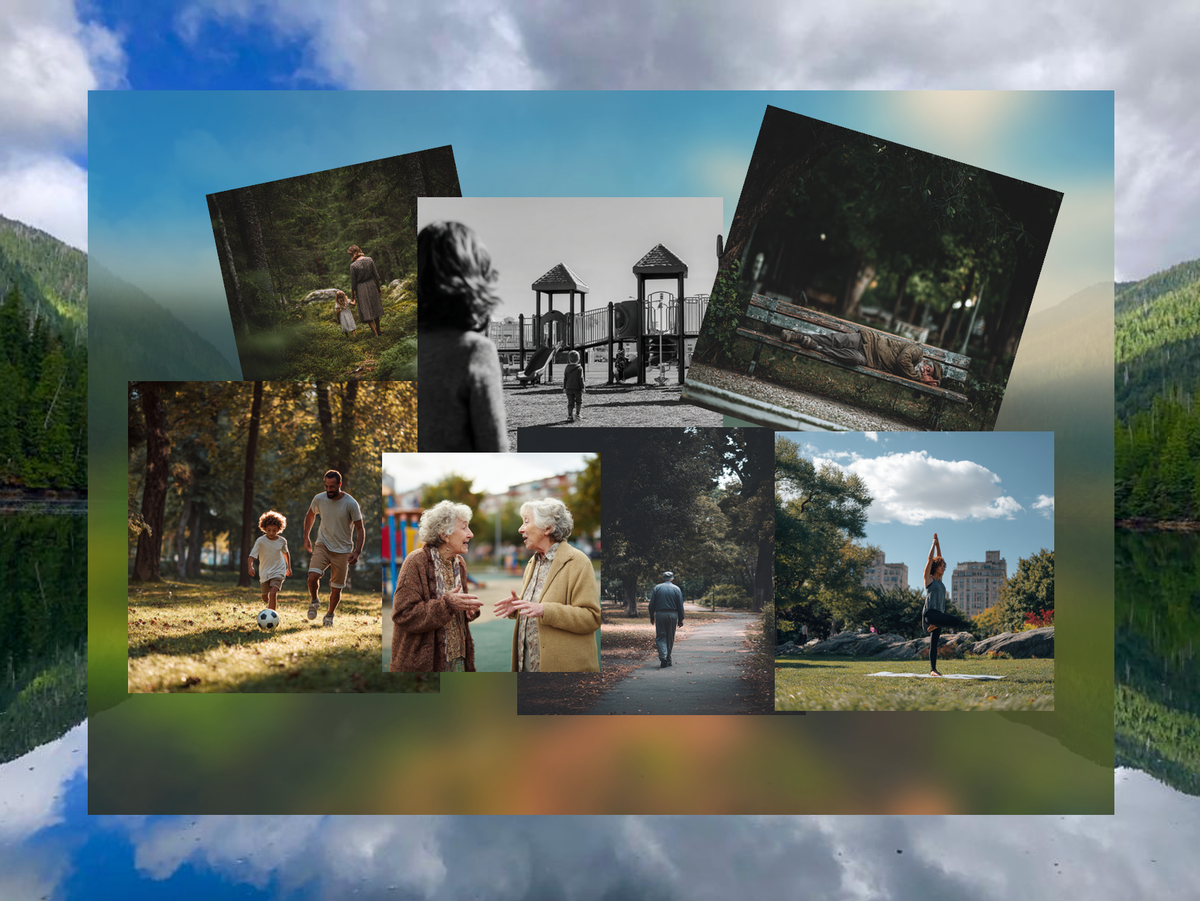
Every person who enters a public space arrives carrying something.
A parent trying to reconnect with a child after a hard week.
A senior walking the same loop each morning to stay strong for someone they love.
A teenager looking for somewhere to belong without being watched too closely.
Someone grieving, who cannot tolerate conversation but cannot bear isolation either.
None of them come thinking, I am here for community.
They come with their lives.
And yet parks are one of the last places where radically different stories still occupy the same physical ground.
Different incomes.
Different politics.
Different histories.
Same air.
For a moment, we coexist.
That coexistence is not accidental. It is designed, maintained, and stewarded.
The Work Beneath the Surface
Forest ecologist Suzanne Simard changed how we understand forests.
Through underground fungal networks, sometimes called the “wood wide web," trees share nutrients, send distress signals, and stabilize weaker members. Older trees redistribute resources to protect the system as a whole.
Most of that work is invisible.
You can walk through a forest and never see the network that keeps it alive.
Public spaces function the same way.
People see:
- Clean trails
- Safe playgrounds
- Clear sightlines
- Lighting
- Landscaping
They do not see:
- The preventative maintenance
- The risk assessments
- The operational coordination
- The small design decisions
- The daily acts of care that keep a system steady
The visible experience is shaped by invisible intention.
And here’s what matters most:
People don’t just respond to what they see.
They respond to what they feel.
They feel whether a space is tended.
They feel whether it is predictable.
They feel whether it can hold them.
Just as trees sense stress in a forest system, humans sense stress in public space.
When Success Looks Like Nothing
In many professions, success is loud.
In public space stewardship, success is often silent.
No injuries.
No vandalism.
No conflict.
No headlines.
When the system works well, nothing dramatic happens.
Which means the better the work, the less visible the impact.
That can be disorienting. Humans like feedback. Recognition. Proof.
But foundational work rarely receives applause.
It receives something more subtle:
A parent exhaling.
A child lingering.
A grieving person staying just a little longer.
A Small Gesture That Wasn’t Small
Years ago, during one of the hardest seasons of my life, I spent hours walking in a local park.
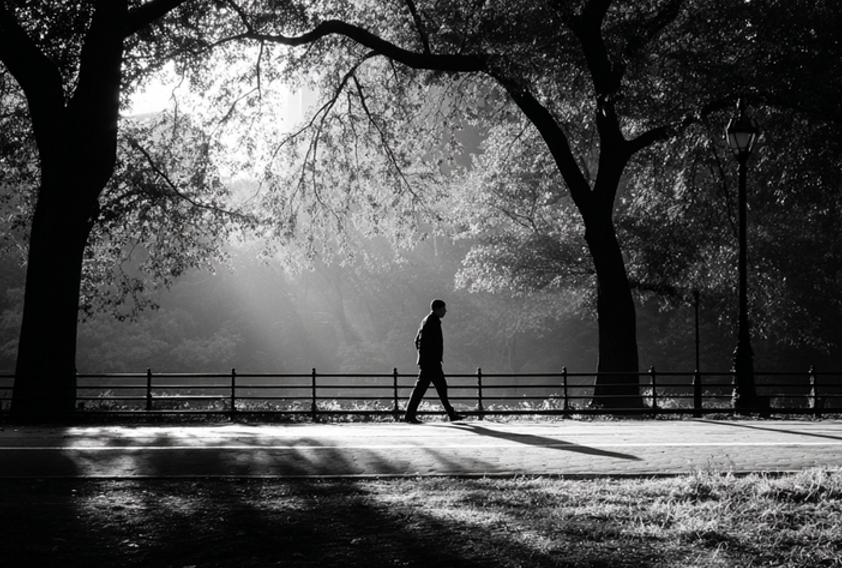
I wasn’t ready for conversation. I wasn’t ready for “How are you?”
But I would often pass a parks worker.
He never asked questions.
He never tried to engage.
He simply nodded.
At the time, it felt like almost nothing.
In hindsight, it was one of the first safe bridges through my grief and back into the world.
That moment taught me something I carry into every leadership conversation:
Community is not built through agreement.
It is built when people feel safe enough to exist near one another.
Sometimes infrastructure is concrete.
Sometimes it is a nod.
The People Behind the System
We often speak about infrastructure in terms of roads, assets, and budgets.
But there is another layer, the human layer.
The people who write the schedules.
The people who notice the early signs of wear.
The people who adjust a design to reduce friction.
The people who show up in all weather so others can show up safely.
These individuals are part of the underground network.
They may not be the visible “tree.”
But they are part of what keeps the forest alive.
And like any system, the stewards need sustaining too.
What steadies you when the work feels thankless?
What reminds you why you chose it?
What keeps you engaged when recognition is minimal?
Invisible systems depend on visible humans who care.
Why This Matters Now
We are living in a moment of exhaustion.
Disconnection.
Polarization.
Quiet grief.
Relentless information.
Many people feel they are carrying more than they show.
Shared civic spaces have become more important, not less.
They are places where joy and sorrow coexist without explanation.
Where people can regulate without being interrogated.
Where community forms without agenda.
Parks are not neutral.
They are civic containers.
Emotional Infrastructure.
And those who care for them are not simply maintaining land. They are maintaining the conditions for belonging.
Emotional Infrastructure.
The Work May Not Be Seen
Most people who walk through a park will never know the names of those who care for it.
They will not know the systems protected.
The risks prevented.
The policies written.
The schedules kept.
But their nervous systems will know.
They will feel whether the space can hold them.
And sometimes, that is enough.