
We Say We Collaborate. What Happens When the Pressure Rises?
The Space to Lead Collaborative Coaching Series invites leaders to look more closely at how people work together and what it takes to strengthen that capability.

By David LeBlanc and Suzanne Fox, Co-Founders, The Collaborative Coaching Group
Think about a team or partnership you are part of. When priorities compete, a commitment is missed, or an unexpected risk emerges, what happens next? Do people share information earlier? Do they ask for help? Can they challenge one another and remain connected? Or do they retreat into their own responsibilities, become more guarded, and begin explaining why the problem belongs somewhere else?
Those moments tell us something about collaboration that a mission statement cannot. They reveal the habits, relationships, and structures people rely on when the work becomes difficult.
That is the territory we explore in the Space to Lead: Collaborative Coaching Series. With five episodes now available, we are opening up a conversation about how leaders, teams, and project partners build the capacity to work together in complex environments.
Each of these episodes gives a small glimpse into the broader Collaborative Coaching work we do with teams, organizations, and multi-stakeholder projects and initiatives.
Building capability inside the work
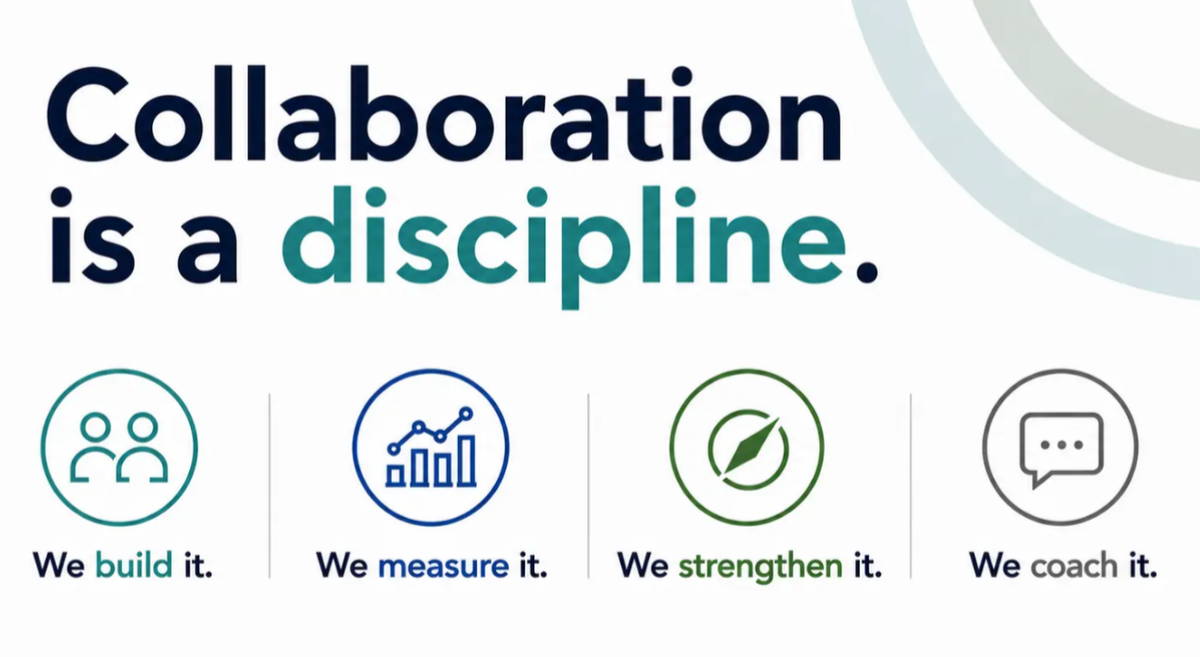
Collaborative Coaching brings coaching, facilitation, and a systems perspective into the work people are already doing. We work alongside leaders, teams, and stakeholders as they navigate decisions, delivery pressures, competing priorities, and relationships that directly affect results.
The focus extends across team and organizational boundaries. A capable team can still struggle when its success depends on another group with different priorities, unclear decision rights, or a different understanding of what has been agreed. Strengthening those connections becomes part of the work.
In practice, this can mean observing a meeting, helping people surface assumptions, creating space for a difficult conversation, or supporting a group to clarify how it will make a decision. The aim is to build the capability to notice, discuss, and adjust how people work together while moving the work forward.
Readiness, trust, and the level of collaboration the work requires
One thread running through the series is Collaborative Readiness. Bringing skilled people together does not automatically mean they are prepared to collaborate. Readiness needs attention at the individual, team, project, organizational, and wider system levels.
For example, people may be willing to share responsibility while the structures around them reward protecting their own priorities. A team may want honest dialogue while past experiences have taught its members to keep concerns to themselves. Looking at readiness helps reveal those tensions before they become familiar frustrations.
Our conversations about trust explore the conditions that enable people to speak candidly, raise concerns, and work through disagreement. Trust also needs attention after a commitment is missed or an interaction causes harm. What happens next can either deepen the strain or begin repair. And what happens provides indications of the level of collaboration that exists within the system.
The Collaborative Maturity Continuum offers another lens with the 5 stages of Collaborative Maturity:
The useful question is what the work requires, and whether the group can sustain collaborative ways of working when circumstances change. Sharing updates (Coordination) may be sufficient for one task; another may require people to make decisions together and take responsibility for the wider outcome (deeper Collaboration).

Seeing the patterns we keep creating
A further conversation in the series explores recurring patterns. When the same issue keeps returning, it is tempting to explain it through individuals: someone is controlling, another group is withholding information, or nobody is taking ownership.
Consider a project where concerns arrive late. The project lead responds by asking for tighter reporting and more approvals. Others become cautious about sharing incomplete information because they expect scrutiny. They wait longer. The next concern arrives even later, reinforcing the leader’s belief that more control is necessary.
Each response can feel reasonable to the person making it. Together, they create a loop that makes collaboration harder.
Collaborative Coaching helps people bring that sequence into view. What are they expecting from one another? What does each response make more likely next? Are past experiences, reporting expectations, or unclear responsibilities reinforcing the pattern?
Seeing the pattern creates an opportunity to interrupt it. A group might agree how to raise an emerging concern before all the facts are known, and how the person receiving it will respond. That small change becomes something people can observe, practise, and refine.
Accountability remains central. Each person is responsible for their actions and for understanding how those actions influence what happens around them.


An invitation to look at your own collaboration
We created this series to give listeners space to reflect on the collaborations they are part of. As you listen, bring a real team, project, or partnership to mind. Where are you working well together? What changes under pressure? Which issue keeps returning? What is one response you could change that might invite a different response from others?
These questions are useful when things are going well, too. Developing collaborative capability early gives people shared language and practices to draw on when the work becomes more demanding.
The first five episodes of the Space to Lead Collaborative Coaching Series are available now. Join us as we explore the conditions, choices, and patterns that shape how people work together, and how to strengthen them through everyday practice.
Listen to the full Collaborative Coaching Series on Space to Lead
Learn more about our work: https://collaborativecoachinggroup.ca/